
Infants & Toddlers
Early intervention for late talking, unclear speech, stuttering, and autism-related communication difficulties.
Therapy for families, in the asian languages that matter most at home. We connect you with bilingual, licensed speech-language pathologists who understand your culture and your family.
國語 · 粵語 · Tiếng Việt · हिन्दी · اُردُو · 日本語 · 한국어
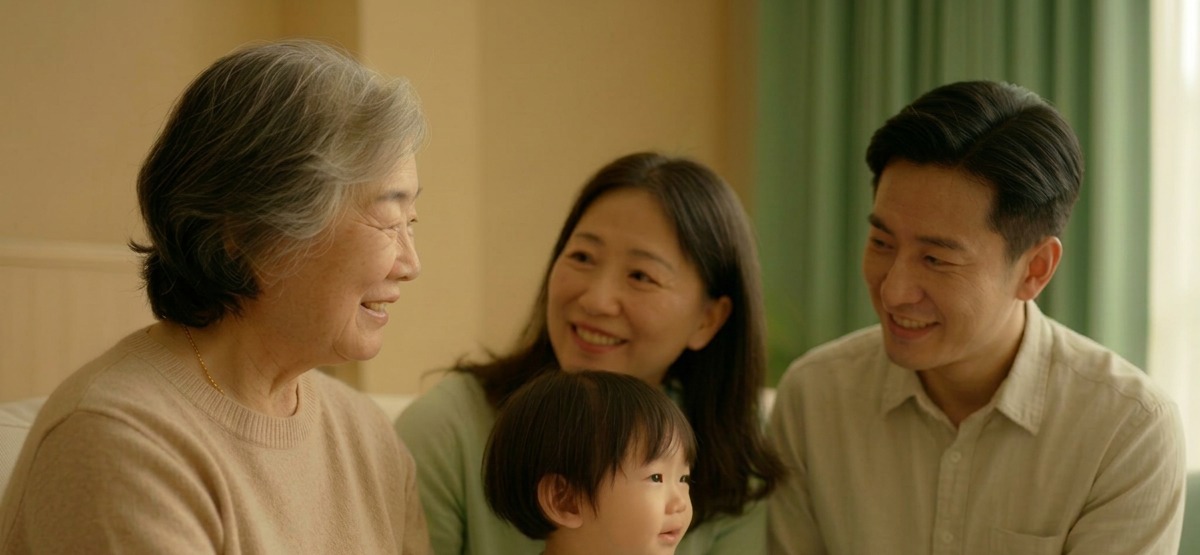
From a toddler's first words to a grandparent's recovery after a stroke —we meet your family where you are, in the language you live in.
Early intervention for late talking, unclear speech, stuttering, and autism-related communication difficulties.

Support for understanding language at home or school, social communication, and academic confidence.

Therapy for stroke and aphasia, dementia, Parkinson's, voice disorders, and swallowing changes.
There are about 25 million Asian people in the U.S., yet only 3–5% of speech-language pathologists are Asian. Our team closes that gap.
Cantonese
粵語
Vietnamese
Tiếng Việt
Hindi
हिन्दी
Urdu
اُردُو
Korean
한국어
More languages coming as our clinician network grows.
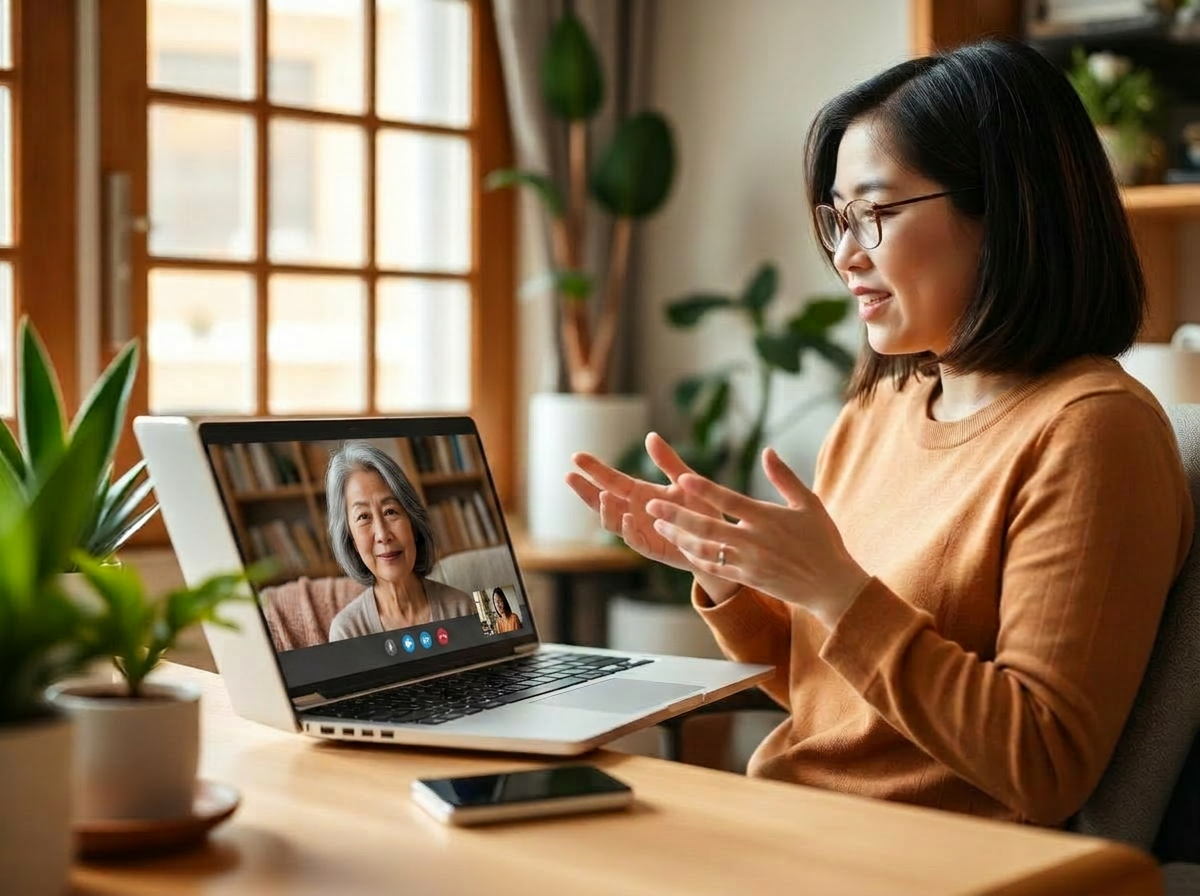
Research consistently shows that primary-language therapy supports better engagement, comprehension, and carry-over without harming English development.
Supported by bilingual SLP research and ASHA guidelines (Ebert & Pham, 2014; Kiran & Balachandran, 2024; ASHA, 2017).
A short intake helps us understand your concerns, preferred language, and schedule.
We connect you with a licensed clinician who speaks your home language and fits your needs.
Telehealth (and selective in-home services) with caregiver coaching in your language.
Mr. Li was matched with a Cantonese-speaking SLP who guided his swallowing and language recovery while coaching his family on how to support him during meals and conversation. He didn't have to fight the language barrier on top of his stroke.

A free 15-minute consultation. No pressure—just answers and a plan in the language you prefer.